

The River believes that our responsibilities go beyond the foundation of providing food for those in need. Building an enduring pillar of the community requires developing practices that improve our shared environment and help sustain The River, our partners, and the broader community over time. While our new building proudly embodies this commitment to sustainability through its long-term investments in solar and geothermal power, the pantry has actively pursued sustainability initiatives on a smaller scale for many years. Take, for example, the evolution of efforts to reduce the amount of food waste ending up in landfills by composting food scraps from our kitchen and inedible materials from food recovery.
 The River’s work combatting waste stretches back over a decade. Food recovery operations, which rescue and redistribute edible food that would otherwise end up in landfill, launched shortly after The River opened in 2006. However, not all recovered food is fit for human consumption, and by 2010 The River began working with local farmers to repurpose inedible food items as compost or animal feed. As food recovery operations rapidly expanded over the following years, so too did the amount of potentially compostable materials.
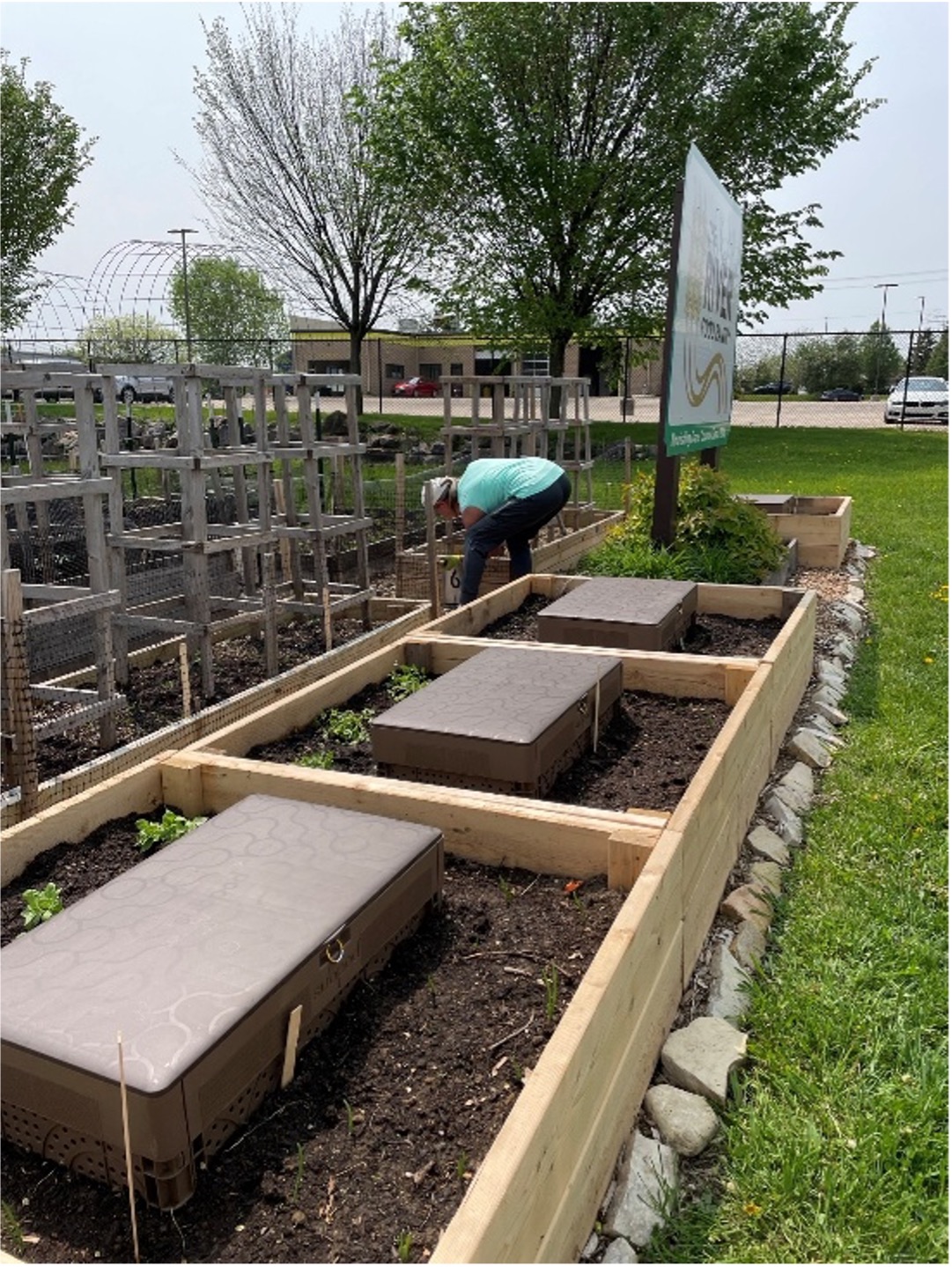
By 2022, The River realized the time was right to invest in more consistent composting practices. As is often the case with pilot programs, finding the practices and partnerships that were right for The River took some experimentation. First, the pantry installed 4 “Subpod” composting units next to our on-site vegetable gardens. These in-ground units ensured that we complied with ordinances prohibiting open air composting within Madison designed to prevent the proliferation of pests, while also providing fresh compost to help fertilize the gardens throughout the growing season.
Still, between our recovery operations and our growing meal services, The River was producing far more inedible food scraps than a small on-site composting program led by busy staff and volunteers could reasonably handle. Food recovery alone brings in 1.7 million pounds of rescued materials each year, and even the small fraction of that amount that isn’t fit for distribution produces a lot of potential composting material. Likewise, The River prepares well over 100,000 freshly-made meals per year, which in turn generates food scraps ranging from pineapple rinds to discarded gristle. We decided that we needed to partner with professionals.
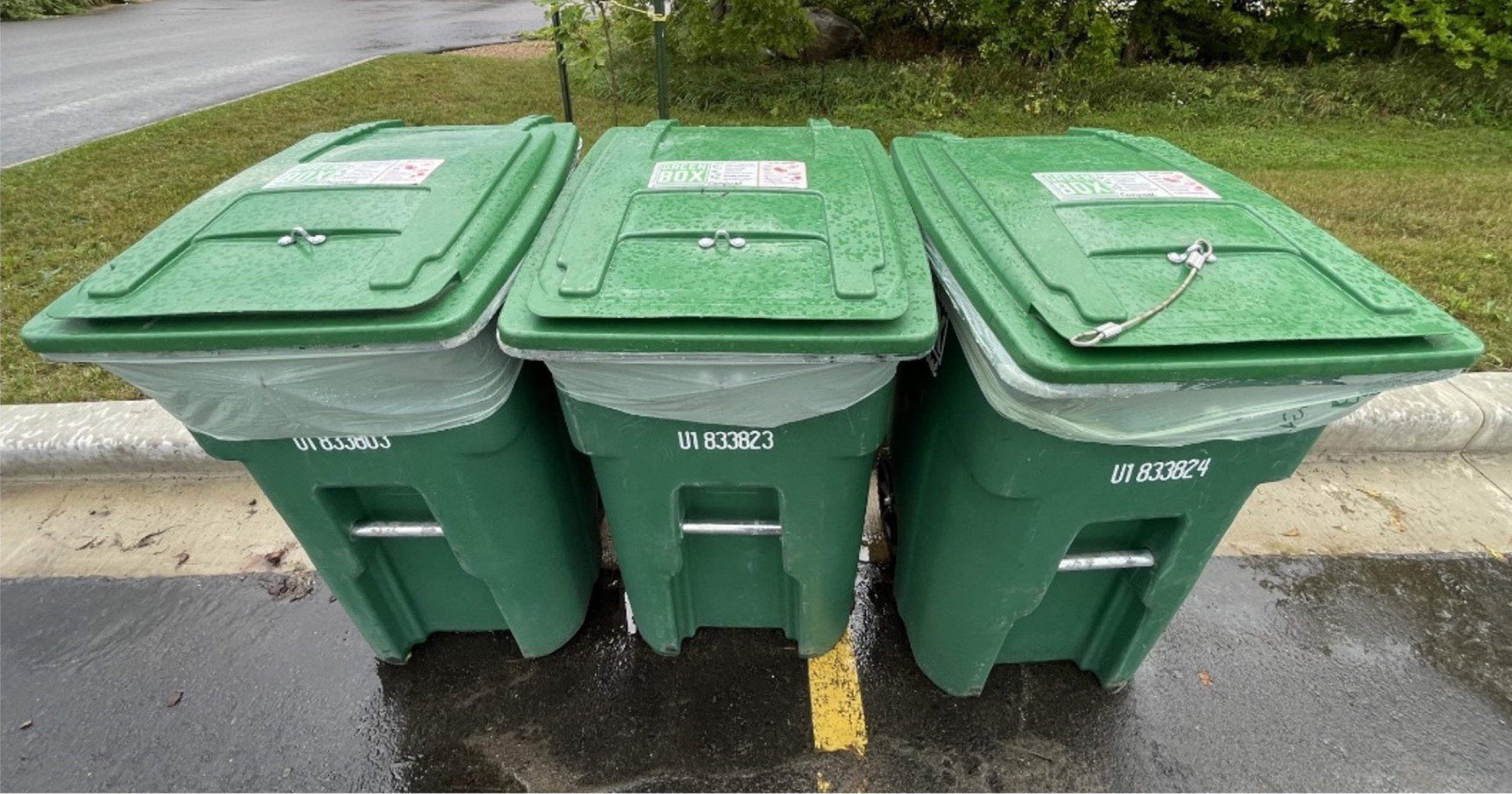
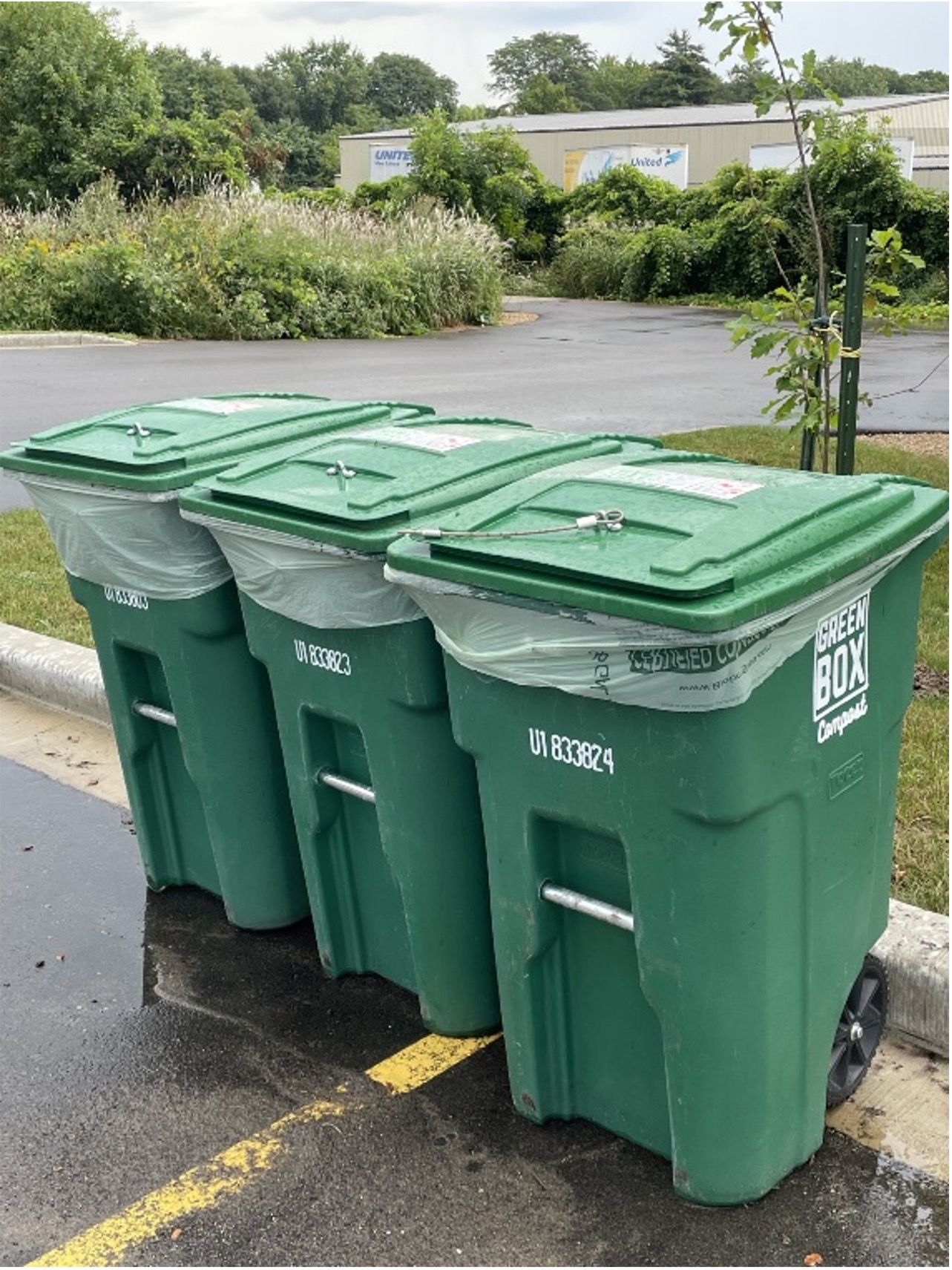 This ultimately led to The River’s partnership with Green Box Compost, a locally-founded composting company capable of handling both residential and commercial clients. Since April 2024, The River has consistently filled three 65-gallon carts with food scraps each week. To date, The River has composted over 32,000 lbs. of food scraps through this partnership alone! The compost generated is then distributed to participating members of Green Box every 6 months, or available via sale to the broader community, thereby turning a major contributor to greenhouse gas emissions in the landfill to a valuable source of nutrients for Dane County gardens.
While these programs have already made a substantial impact, The River is always looking to improve our processes. We are exploring ways to expand our partnership from three 65-gallon carts collected weekly to four 65-gallon carts collected twice per week. This would equal a 167% increase in weekly composting capacity—a major step towards our objective of further reducing the amount of unreclaimed organic waste from our kitchen and food recovery programs.
We look forward to continuing to support a greener, more sustainable future for both The River and our community of clients, volunteers, supporters, and neighbors!